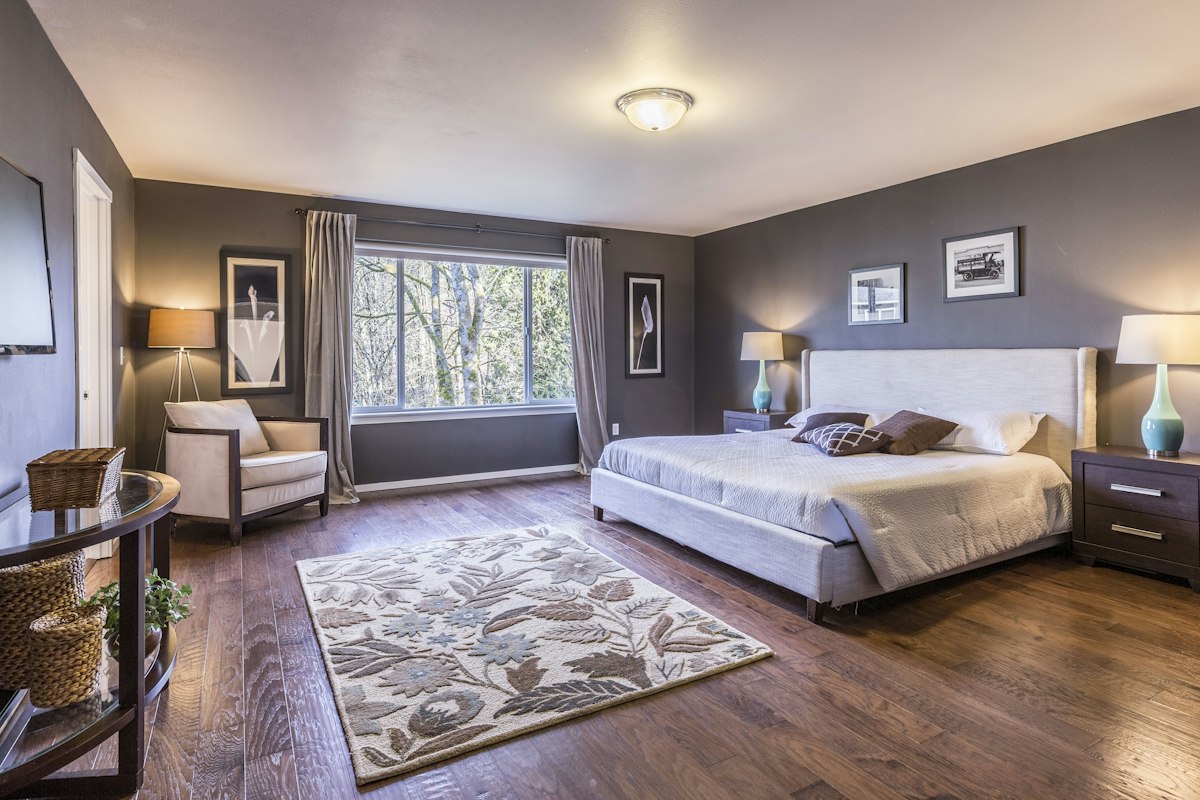
Save money by installing laminate flooring yourself. Our comprehensive guide covers everything from preparation to the finishing touches.
Can You Install Laminate Flooring Yourself?
Absolutely! Laminate flooring with click-lock systems is designed for DIY installation. With the right tools, preparation, and patience, you can achieve professional-looking results and save significantly on installation costs.
Tools You'll Need
Essential Tools
- Tape measure
- Pencil
- Spacers (8-10mm)
- Pull bar
- Tapping block
- Rubber mallet
- Circular saw or jigsaw
- Safety glasses
- Knee pads
Helpful Extras
- Laser level
- Moisture meter
- Pry bar
- Utility knife
- Speed square
Before You Start
1. Measure and Order
- Measure your room's square footage
- Add 10% for waste (15% for diagonal installation)
- Order all flooring at once to ensure batch consistency
2. Acclimatize
- Store unopened boxes in the installation room
- Wait 48-72 hours before installation
- Maintain normal room temperature
3. Prepare the Subfloor
- Remove existing flooring if necessary
- Ensure subfloor is clean, dry, and level
- Fill any gaps or holes
- Maximum variance: 3mm over 2 meters
4. Install Underlayment
- Roll out underlayment perpendicular to plank direction
- Butt edges together (don't overlap)
- Tape seams with underlayment tape
- Trim excess at walls
Installation Process
Step 1: Plan Your Layout
- Measure the room width
- Divide by plank width to determine number of rows
- If the last row would be less than half a plank, adjust the first row
- Plan for staggered end joints (minimum 30cm between joints)
Step 2: Start the First Row
- Begin in the corner furthest from the door
- Place spacers along the starting wall (8-10mm gap)
- Lay first plank with tongue facing the wall
- Click subsequent planks together end-to-end
- Cut the last plank to fit, leaving expansion gap
Step 3: Continue Row by Row
- Start each row with the leftover piece from the previous row
- Angle the long edge into the previous row's groove
- Press down to click into place
- Use tapping block and mallet if needed
- Stagger end joints by at least 30cm
Step 4: Cutting Techniques
Straight Cuts:
- Mark the cut line clearly
- Use a circular saw with a fine-tooth blade
- Cut with the decorative side down
Around Obstacles:
- Measure carefully from multiple points
- Create cardboard templates for complex shapes
- Use a jigsaw for curved cuts
Step 5: The Last Row
- Measure the remaining width
- Subtract expansion gap from measurement
- Rip planks to width
- Use pull bar to click into place
Step 6: Finishing Touches
- Remove all spacers
- Install baseboards or quarter-round molding
- Install transition strips at doorways
- Clean the floor with manufacturer-recommended cleaner
Common Mistakes to Avoid
- Skipping acclimatization - Causes expansion/contraction issues
- No expansion gaps - Leads to buckling
- Not checking subfloor level - Creates uneven surface
- Forgetting moisture barrier - Causes damage over time
- Joints too close together - Weakens the floor
- Hitting planks directly - Damages edges
How Long Does It Take?
| Room Size | Estimated Time | |-----------|----------------| | Small Bedroom (10 sqm) | 3-4 hours | | Living Room (25 sqm) | 6-8 hours | | Entire Apartment (80 sqm) | 2-3 days |
*Times are for a first-time DIYer working alone.
When to Call a Professional
Consider professional installation if:
- Subfloor has significant issues
- Complex room shapes with many obstacles
- You need stairs covered
- Time is a critical factor
- Warranty requires professional installation
Conclusion
Installing laminate flooring is a rewarding DIY project that can save you significant money. Take your time, follow the steps carefully, and don't rush the preparation phase. The result will be a beautiful floor you installed yourself!
Share this article:

Mohammed Al-Suwaidi
Installation Specialist
Expert flooring consultant with years of experience helping UAE homeowners find the perfect flooring solutions for their spaces.